 Celebrate with up to 80% off
-
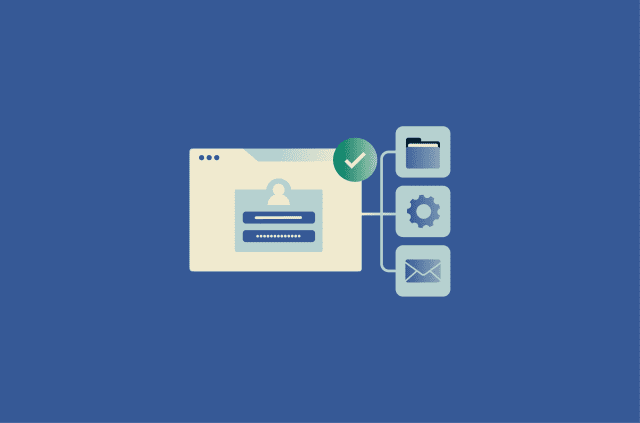
What is SSO and why it matters for secure, seamless access
Managing access across multiple systems is now a baseline requirement for most organizations, with users moving between cloud apps, internal tools, and external services throughout the day. Single sig...
-

WannaCry ransomware explained: The attack that changed cybersecurity
In May 2017, ransomware known as WannaCry spread rapidly across computer networks worldwide. Within hours, hospitals, manufacturers, telecommunications providers, and government agencies were dealing ...
-
What is bcrypt, and why does it matter for password security?
Passwords remain one of the weakest links in online security. bcrypt is a widely used password hashing function that helps protect stored passwords by using a salt and a configurable work factor to ma...
-
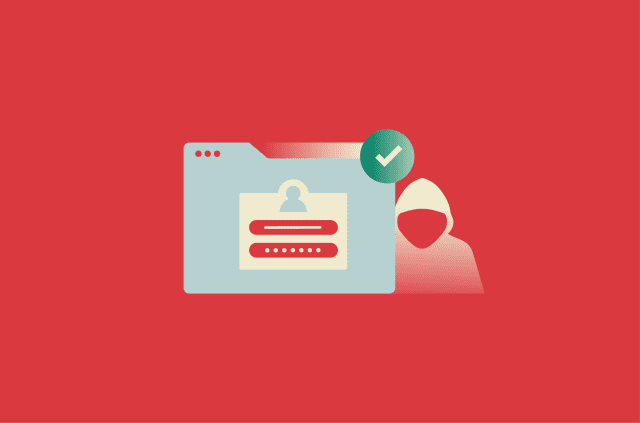
Session hijacking explained: The hidden threat behind stolen tokens
When someone signs into email, accesses online banking, or performs other tasks online and leaves the session active, that session could be misused by someone else without their knowledge. In some cas...
-

How to resolve “This app has been blocked for your protection”
“This app has been blocked for your protection” tends to show up at the worst time, right when you’re trying to open or install an app you trust. The tricky part is that Windows uses similar lan...
-
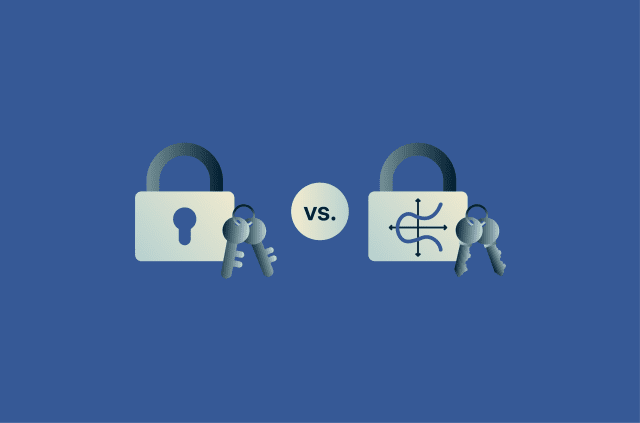
ECDSA vs. RSA: Security, compatibility, and key size compared
Rivest-Shamir-Adleman (RSA) and Elliptic Curve Digital Signature Algorithm (ECDSA) underpin everyday security, including website authentication, app login verification, and software updates verified b...
-

How to disable WebRTC and stop IP leaks in major browsers
You turn on your virtual private network (VPN), open your browser, and your IP address should be private. It isn’t always. WebRTC, a technology built into every major browser for real-time audio, vi...
-

Token-based authentication explained: How it works, benefits, and best practices
Many modern apps let you refresh a page without having to re-enter your password, stay logged in across sessions, or use one account to access multiple services. This is made possible by token-based a...
-
What is DNS over HTTPS (DoH) and how does it work?
DNS over HTTPS (DoH) sends Domain Name System (DNS) queries using HTTPS, the secure web protocol also used for encrypted website connections. That helps protect DNS traffic from being read or altered ...
-
Tracking pixel: How it works and how to protect your privacy
Tracking pixels are small, hidden tools that help companies measure what people do online. They can log signals such as email opens, page visits, ad clicks, and conversions, often without any obvious ...